
I’ll own up straight: I’ve spent more hours than I’d like to admit watching a screen that looked brilliant on day one and rotted by month three. That’s the trap with flashy interfaces, and it’s why I keep coming back to the bones underneath. If you’ve been spinning pokies in a Mount Isa pub for years and suddenly find yourself clicking through an online lobby, you’ll want something that doesn’t leave you guessing. That’s where sign language pokies support Australia starts to make sense for players who need the whole experience to speak plainly, not just look pretty.
The first time you load a casino page, the difference between a system built for transactions and one built for show is obvious. A good payments screen tells you exactly what you’re doing, what it’ll cost, and what happens next. A bad one hides the fees behind a gradient and hopes you won’t notice. I’ve spent a decade stitching together sportsbook, casino and payments flows, and the rule never changes: if a player can’t trace the money in three seconds, the design has already failed them.4x4earth
Pub habits move online
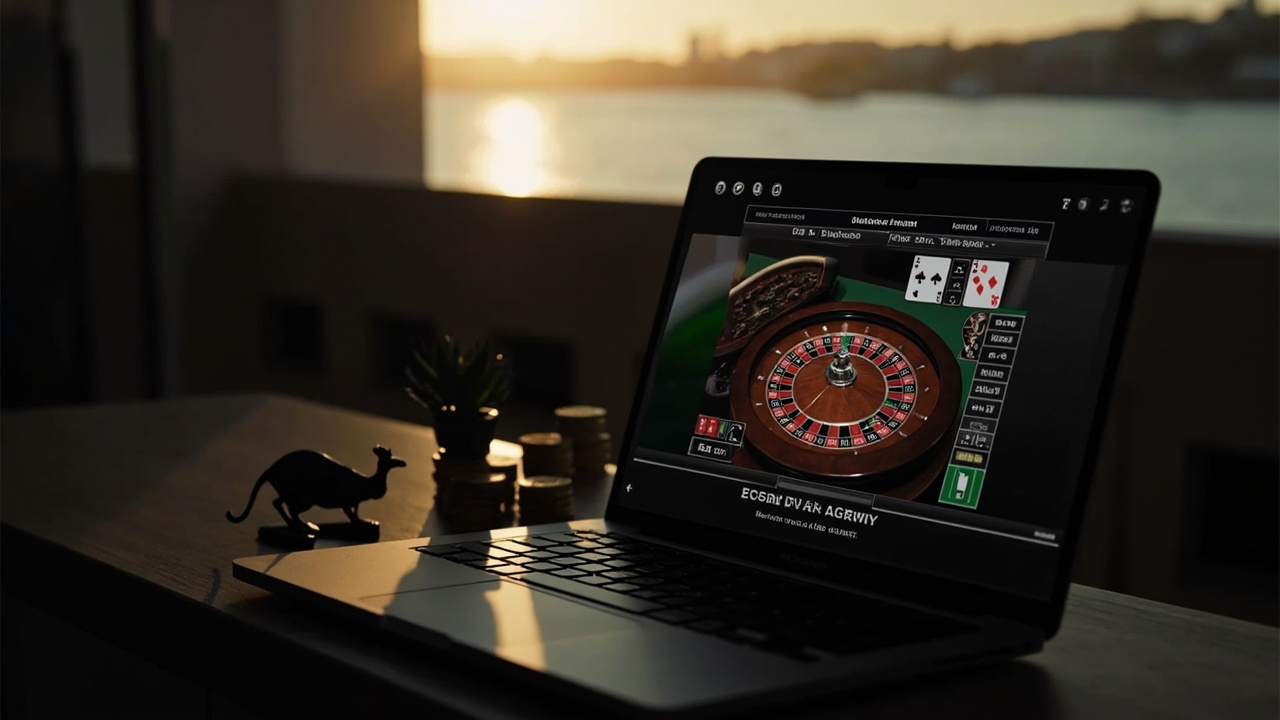
You’re used to the clunk of a coin, the smell of stale beer, and a mate leaning over to tell you the machine’s “warm”. None of that translates neatly to a browser tab, and pretending it does is how first-timers lose their nerve. The trick is to treat the move as a recalibration, not a reinvention. You still pick a game, you still set a limit, and you still walk away when the session turns sour. What changes is the layer between your thumb and the result, and that layer needs to be honest about what it’s doing.
Regional Queensland doesn’t run on the same clock as Surry Hills. A player logging on from a shed outside Townsville at 11pm has different connectivity, different patience, and different reasons for being there than someone on a commute in Brisbane. Bandwidth drops, pages stall, and a cluttered lobby becomes a real barrier instead of a mild annoyance. That’s why a stripped-back entry point matters more out here than it does in a capital city with fibre on every corner.https://moneytrain4demo.com
The Interactive Gambling Act 2001 sets the outer boundary for what operators can offer to Australian players, and it’s worth knowing the shape of that boundary before you deposit a cent. The Act doesn’t hand you a licence to play wherever you like, and it certainly doesn’t bless every offshore site you stumble across. What it does is draw a line around services targeting Australians, which means the practical job for you is checking who’s actually answering the phone when something goes wrong.
What the support actually does
Support in this space isn’t a chat bubble that says hello and vanishes. It’s the mechanism that explains a bonus term in plain English, untangles a verification hold, and points you back to your own limits when you’ve forgotten them. For a pub regular moving online for the first time, that plain-English layer is the difference between a session that feels controlled and one that feels like a black box. You don’t need a degree in interface design; you need a response that tells you what happened and what to do next.
I’ve seen plenty of lobbies that treat accessibility as a sticker on the window rather than a working part of the room. A proper setup treats communication features as core infrastructure, not a nice-to-have tucked behind a menu. When a player needs visual cues, clear prompts, or a fallback that doesn’t rely on dense blocks of text, the whole flow has to hold together. That’s the practical side of sign language pokies support Australia, and it’s the part most marketing glosses over.
Charlotte Hughes, Commercial Director at Gold Coast Gaming Network, puts it bluntly: “A regional player will forgive a slow lobby before they forgive a support team that can’t explain a terms screen in two sentences.” She’s right, and the caveat sits right beside it: speed without clarity just moves confusion faster. You want a team that can slow the conversation down when the detail matters, not one that races through a script and hopes you catch it.
A straight walkthrough for newcomers
Grab your phone, open the site, and don’t touch a deposit yet. You’re not being cautious for the sake of it; you’re checking that the room is laid out the way you’d lay out a workshop bench. If you can’t find the game list, the limits, and the help option inside a minute, the bench is cluttered and you’ll cut your thumb on something later.
Read the terms on the offer before you claim it, because a bonus that sounds generous on the banner usually carries a play-through that turns it into homework. Say you deposit fifty dollars and the screen tells you to wager that amount several times over before anything is yours to withdraw; that’s not a gift, that’s a condition, and you should decide whether it’s worth your time before you click yes.
Set a session limit and a loss limit in the same breath, and treat them like a shut-off switch on a power tool. You wouldn’t run a grinder without a guard, and you shouldn’t run a session without a number that tells you when to stop. If the site lets you set those limits in the account settings, do it there; if it hides them behind a support ticket, that’s a bad sign about the whole setup.

Pick one game and stick with it for the first session, because jumping between pokies like you’re flicking channels just burns your attention and hides what the machine is actually doing. Watch the paylines, note the bet size, and keep your stake steady until you’ve got a feel for the pace. You’re learning the rhythm, not trying to win a night.
Use the help option when something reads like legalese, and don’t let a chatbot palm you off with a link to a twenty-page PDF. A decent response tells you the rule in a sentence, points to the exact screen, and gives you a next step you can actually take. If the answer feels like it’s been run through a shredder, ask again until it’s plain.
Keep your own record of what you deposited, what you played, and what you withdrew, because the site’s history is useful but your own notes tell you whether the session was worth it. A simple note on your phone beats a fuzzy memory when you’re deciding whether to come back next week. You’re the one funding the session, so you’re the one who should be able to read it afterwards.
Verification and the paperwork reality
You’ll hit a verification step sooner or later, because every serious operator needs to know who’s moving money through the door. That’s not a personal snub; it’s the standard check that sits between a casual account and a withdrawal that actually lands. The job for you is having the right bits ready so the hold doesn’t stretch into a weekend.
A driver’s licence, a recent utility bill, and a payment method that matches the account name are the usual trio, and they’re the bits that clear most holds without a fuss. If your details don’t line up across those three, expect the process to drag, because the operator is trying to match the same person across three different records. It’s a boring bit of admin, but it’s the bit that keeps the rest of the session from turning into a mess.
Henry Henderson, Head of Operator Partnerships at Murray River Gaming Research, sees the same friction point every quarter: “The players who get stuck aren’t usually the ones short on funds; they’re the ones who didn’t photograph the right side of the card or used a different name on the payment method.” The fix is simple in theory and annoying in practice, which is why a five-minute check before you deposit saves a twenty-minute argument later.
Verification isn’t the same everywhere, and the differences matter when you’re trying to get your own money back out. Some setups ask for a selfie, some ask for a bank statement, and some only bother once you’ve hit a withdrawal threshold. The common thread is that the requirements tighten around the moment money leaves, not when it arrives, so the sensible move is to check the rules before you put anything in.
| Requirement | Typical trigger | What you usually need | Common hold reason |
|---|---|---|---|
| Identity check | First deposit or first withdrawal | Licence or passport plus a current address document | Name mismatch between account and payment method |
| Payment match | Withdrawal request | Card or wallet that matches the registered name | Third-party payment source or expired card |
| Age confirmation | Account setup or payout | Date of birth on file plus ID document | Document unclear or expired |
| Withdrawal threshold | Payout above a set amount | Extra proof of address or source-of-funds note | Threshold crossed without prior documents on file |
The table above shows where the friction usually sits, and it’s worth reading it as a checklist rather than a warning sign. If you know which column applies to your situation, you can gather the right document before you ask for a payout instead of waiting for a support ticket to tell you what was missing. That small bit of prep is what turns a two-day delay into a same-day clearance.
Regional Queensland realities
Out past the capitals, the internet itself becomes part of the game, because a session that stalls halfway through a spin is more than an inconvenience; it’s a reason to leave and not come back. A player on a patchy connection outside Cairns doesn’t have the luxury of assuming the next page will load in a blink, so a lean lobby and a fast payments screen aren’t luxuries, they’re the baseline. You can’t design around a bad connection, but you can design so a bad connection doesn’t break the whole flow.
The local rhythm matters too, because a regional player isn’t sitting in a high-rise apartment with a second screen and a quiet room. It’s often a phone on a kitchen table, a laptop on a workbench, or a quick session between other jobs, and the interface has to respect that. A cluttered page that demands a long, quiet read is built for a different life than the one lived out here.
Eliza Edwards, Digital Acquisition Director at Southern Cross Gaming Advisory, notes that “regional acquisition dies when the first session feels like a form-filling exercise rather than a game.” Her point carries a caveat: acquisition isn’t just about getting a sign-up, it’s about whether the first ten minutes leave someone calm enough to return. If the onboarding reads like a tax return, the player’s gone before the bonus ever matters.
You’ll also run into the practical edges of the Interactive Gambling Act 2001 again, because the law’s shape affects what operators can offer and how they talk to Australian players. That doesn’t mean every site you find is operating with a local stamp of approval, and it certainly doesn’t mean an offshore page is licensed here. The reality is narrower: you’re checking the service’s own rules, the support behind it, and whether the whole thing behaves like a proper transaction flow rather than a flashy page with no back end.
Reading a lobby without the hype
A lobby tells you a lot before you ever press spin, because the way games are sorted, labelled, and filtered is a direct read on how the operator thinks about its players. A clean lobby на официальном сайте groups things in a way you can scan in seconds; a messy one buries the useful bits under banners and promises. You can judge a lot by whether you can find a game, check its bet range, and understand the offer without clicking through three layers of marketing.
The same principle applies to the payments and bonus screens, because those are the parts that actually touch your money. A good payments flow names the method, the timing, and the fee or limit in plain terms; a bad one buries the timing behind a vague “quick” label and hopes you won’t ask what “quick” means. I judge these flows the same way I judge a payments interface I’ve built for sportsbook: if the player can’t tell where the money is at each step, the design is doing its job poorly.
A short aside, because the usual advice here is wrong: people will tell you to chase the biggest bonus on the board, and that’s exactly the sort of thinking that turns a session into a spreadsheet. A smaller offer with terms you can actually read is better than a glossy number that locks your cash behind a play-through you didn’t budget for. The smart move is to pick the offer that fits your session, not the one that looks loudest on the page.Mumbrella
- Check that the game list loads in a way you can scan on a phone without zooming in and out.
- Confirm the bonus terms before you claim, including the play-through and any game restrictions.
- Set a deposit limit and a session limit in the account settings before your first real spin.
- Make sure the help option is visible from the lobby, not hidden behind a footer or a menu.
- Keep your payment method consistent with the name on the account to avoid a withdrawal hold.
- Read the withdrawal timing on the payments page so you know what “fast” actually means.
- Note the support hours or response channel so you’re not guessing when something goes wrong.
Comparing what each setup asks for
The comparison below is the bit most players skip, and that’s exactly why they get caught out when a payout stalls. Different setups ask for different proofs at different moments, and knowing which one you’re dealing with saves you from treating every hold like a personal slight. Read it as a practical map of where the paperwork lands, not as a scorecard.
The patterns are consistent enough to plan around: identity checks usually hit early, payment matching usually hits at withdrawal, and threshold checks usually sit above a set payout amount. If you know which of those applies to the site you’re using, you can have the right document ready instead of scrambling after the fact. That’s the difference between a delay you can work around and one that sours the whole session.
You’ll notice the same theme running through each column: the operator wants the same person across the account, the payment, and the payout. That’s not bureaucracy for its own sake; it’s the basic check that keeps the money moving in the right direction. When the pieces line up, the process is boring; when they don’t, the process becomes the main event, and that’s when players start wishing they’d checked first.
The blunt read
A pub regular moving online for the first time doesn’t need more gloss; they need a flow that tells the truth about money, limits, and support. If the lobby, the payments screen, and the help option all read plainly, the session stays a session instead of turning into a dispute. That’s the real job of sign language pokies support Australia, and it’s the part worth checking before you put a cent in.
The players who stay comfortable are the ones who treat the first visit like a setup check, not a win night. Gather the right document, read the terms, set the limits, and pick a game you can actually follow. Do that, and the rest is just a game; skip it, and the interface will eat your time before the reels even turn.